Battenkill River
Discover Vermont’s Most Iconic Wild Trout River
Nearly 60 miles long, the Battenkill River is one of the most historic and culturally significant trout streams in the United States, widely regarded as a cradle of American fly fishing tradition. The Battenkill has long been associated with classic dry fly fishing, legacy shaped by some of the most influential figures in the sport. The river’s reputation is deeply tied to its history. Flowing through southwestern Vermont into eastern New York before joining the Hudson River, The Battenkill is a medium-sized freestone river characterized by a mix of riffles, runs, and pools, along with long stretches of smooth, gliding water. Undercut banks, submerged vegetation, and woody debris provide important cover for trout, particularly during low-water conditions.
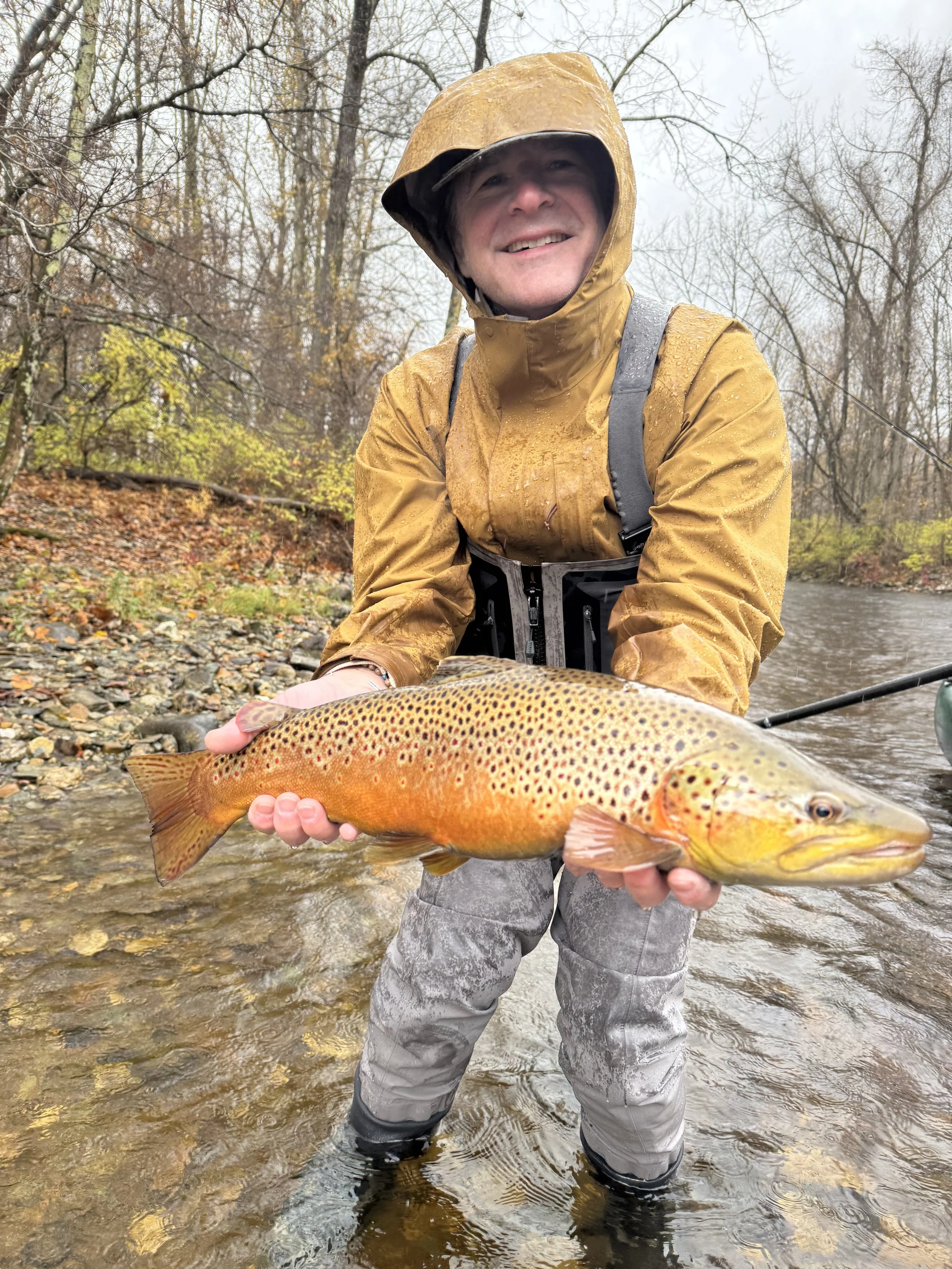
Beyond its fishing qualities, the Battenkill is celebrated for its scenic beauty and tranquil environment. The river winds through pastoral farmland, forested valleys, and small rural communities, offering a peaceful and immersive outdoor experience. The Battenkill is best known for its wild brown trout population, particularly in its Vermont stretches. These fish are naturally reproducing and have adapted to the river’s conditions over generations.


Seasonal Entomology:
Following the Hendricksons, a variety of other mayflies and caddisflies emerge throughout late spring and early summer. Sulfurs, light Cahills, and March Browns are all present. Caddisflies, particularly tan and olive varieties, are abundant and often provide consistent action, especially in the evenings. During the summer months, terrestrial insects such as ants, beetles, and grasshoppers become increasingly important, particularly during periods when aquatic insect activity slows.
Hatches:
Early Spring (March–April): Blue Winged Olives (BWOs) #16–20, Midges #18–24, Early black stoneflies #14–18
Mid Spring (Late April–May) PRIME TIME: Hendricksons #12–14, Red Quills #12–14, Caddis (tan/olive) #14–18
Late Spring/Early Summer (May–June): Sulfurs #14–16. Light Cahills #12–16, March Browns #10–12, Caddis #14–18
Summer (July–August): Caddis #14–18, Trico’s #16–20