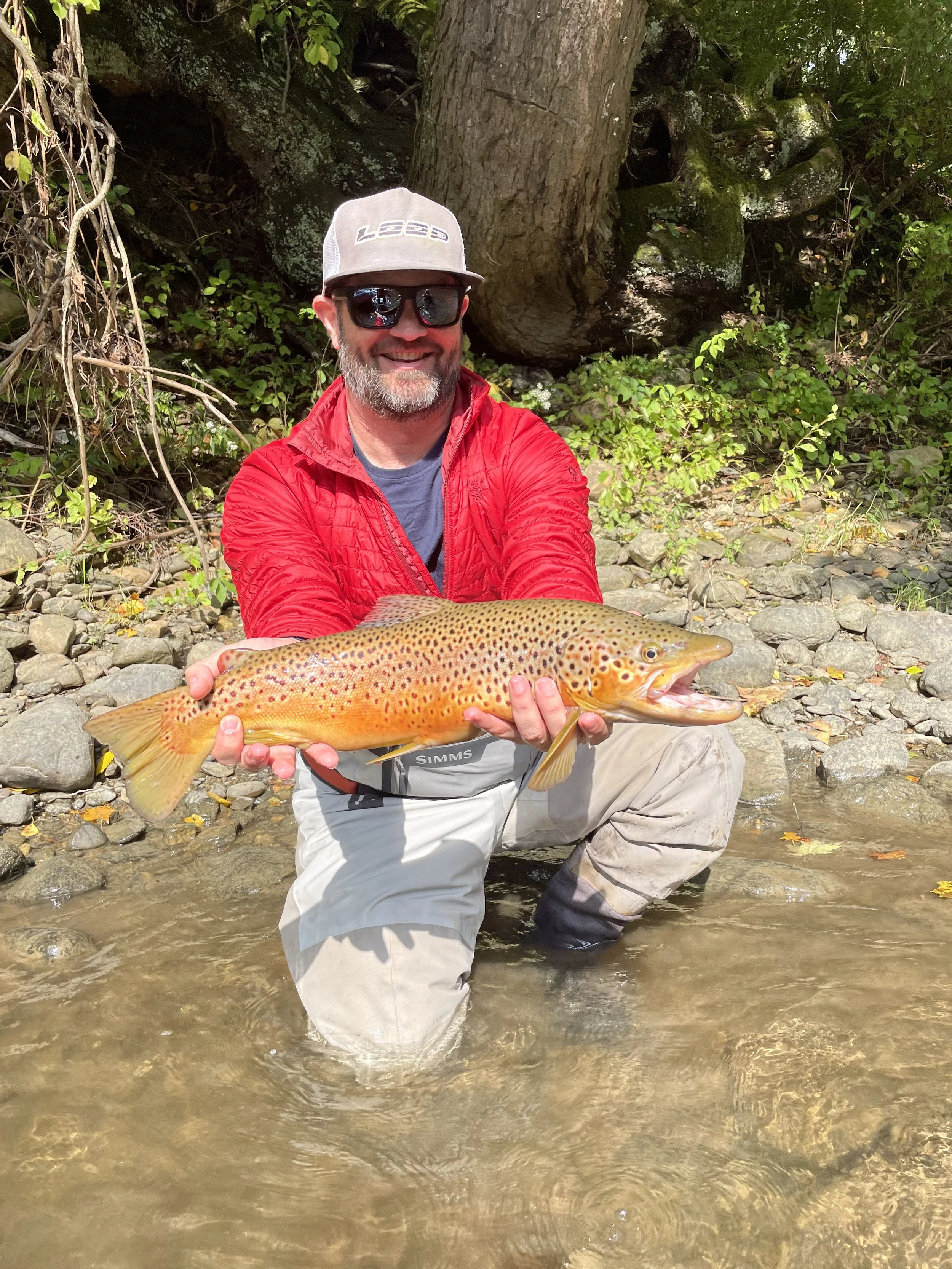
Hoosic River
Fish a Classic Freestone Trout Stream with Local Experts
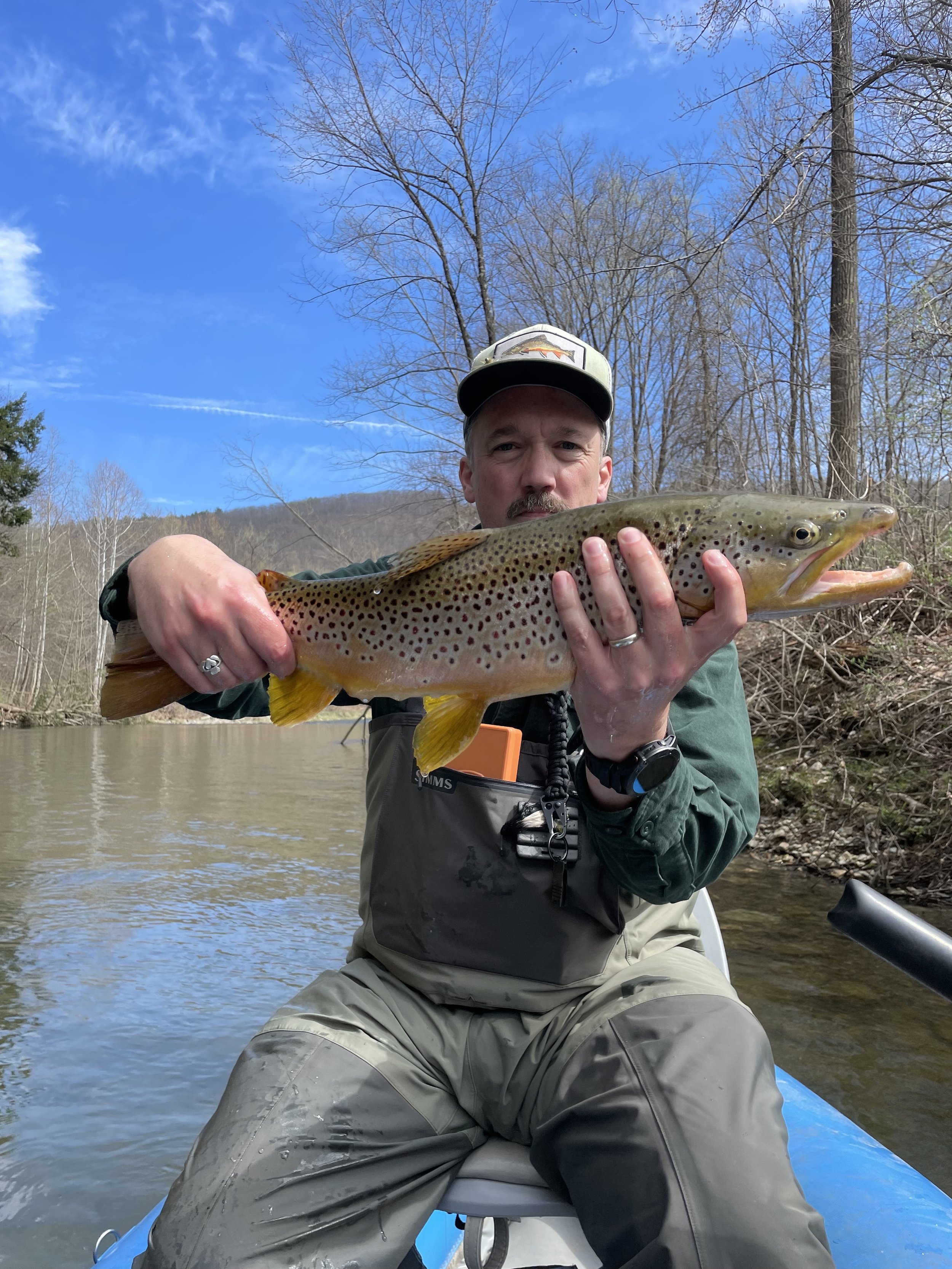
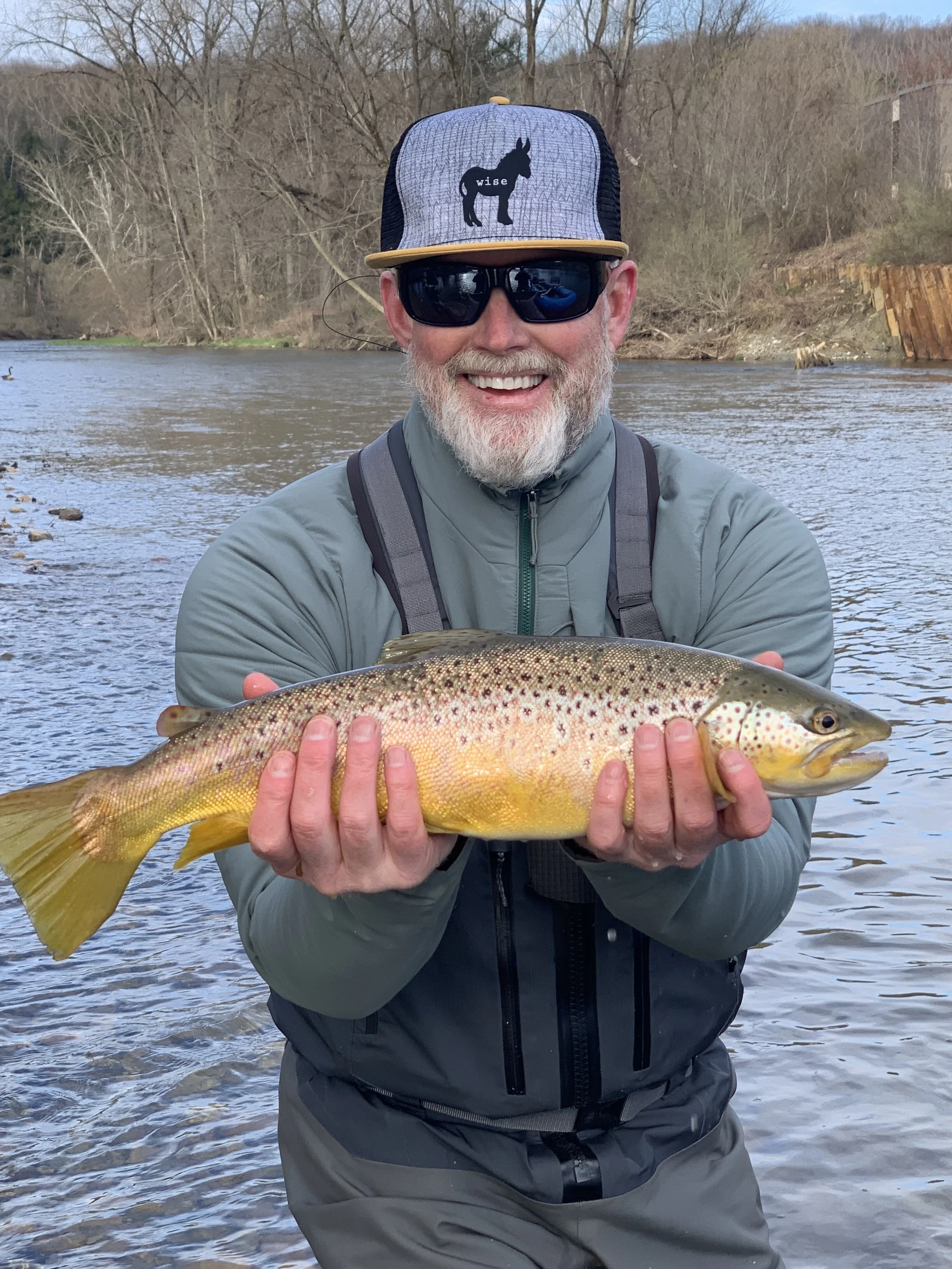
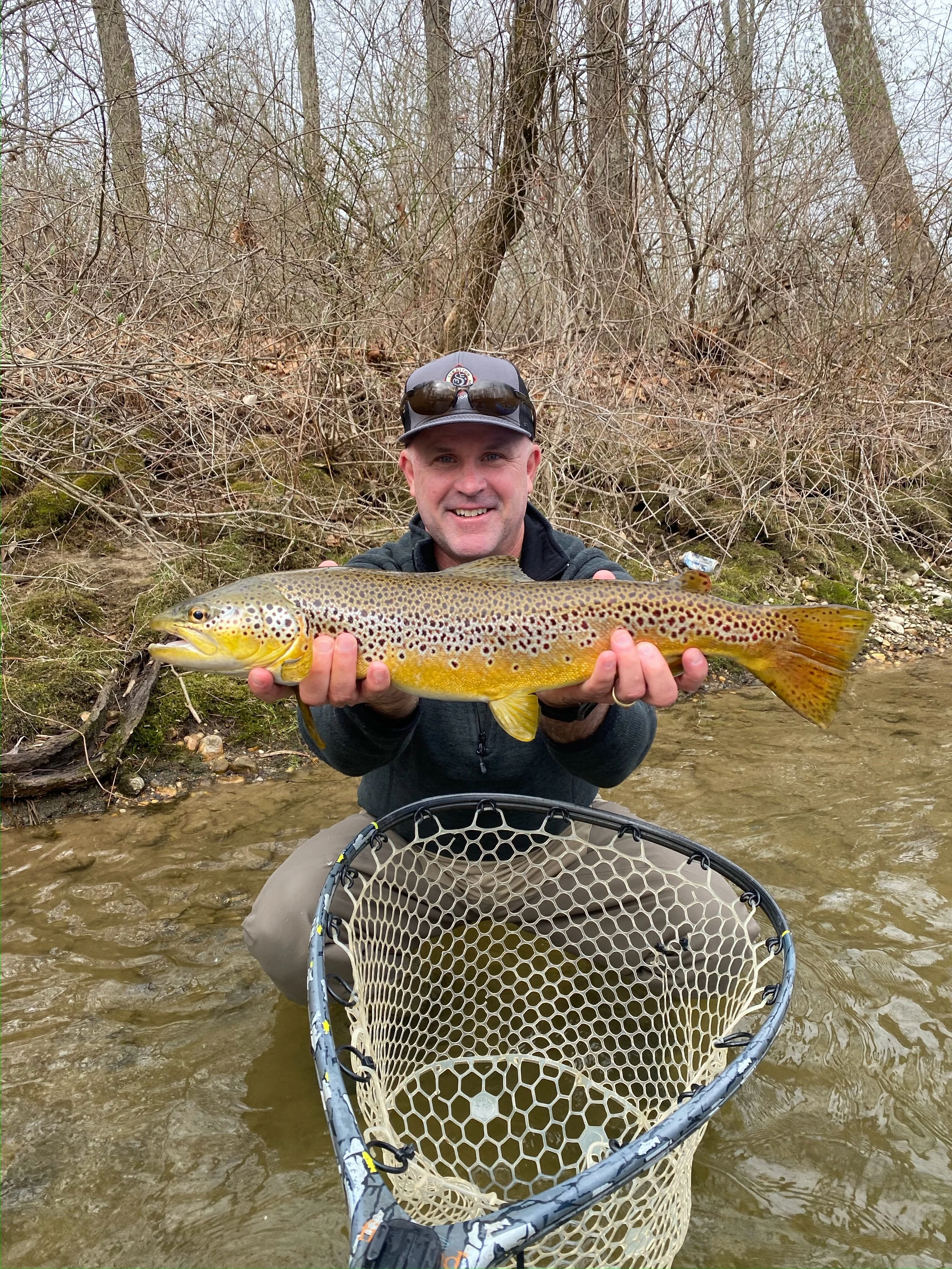
The Hoosic River flows through southwestern Vermont and western Massachusetts before winding into New York’s upper Hudson River Valley, where it joins the Hudson. Known for its riffle-run-pool structure, healthy insect life, and wild trout, the Hoosic offers varied fishing experiences from spring through late fall. With flows that change quickly after rain and diverse holding water from deep pools to pocket water. The Hoosic rewards anglers who adapt to conditions and know how to read the river.
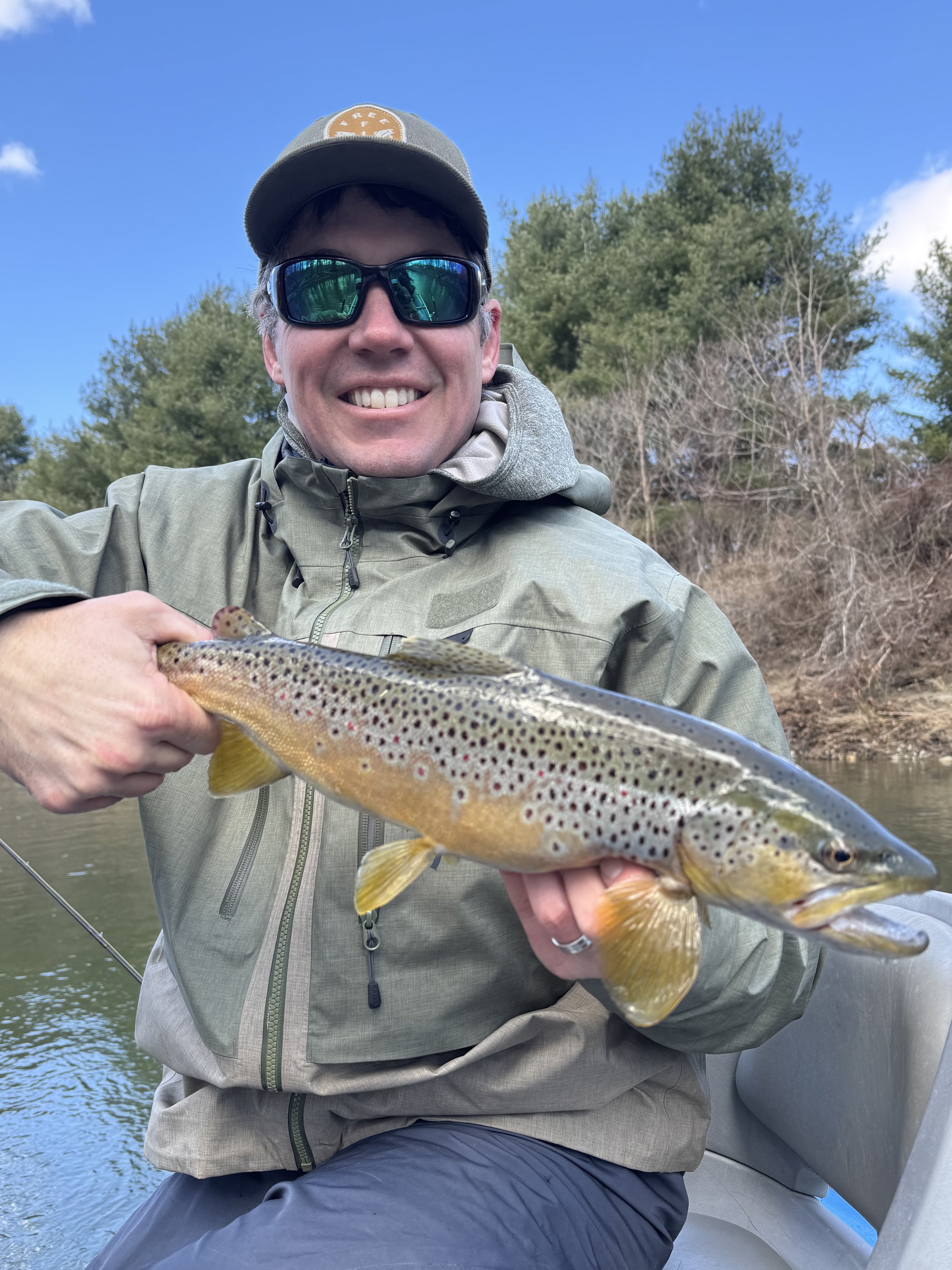
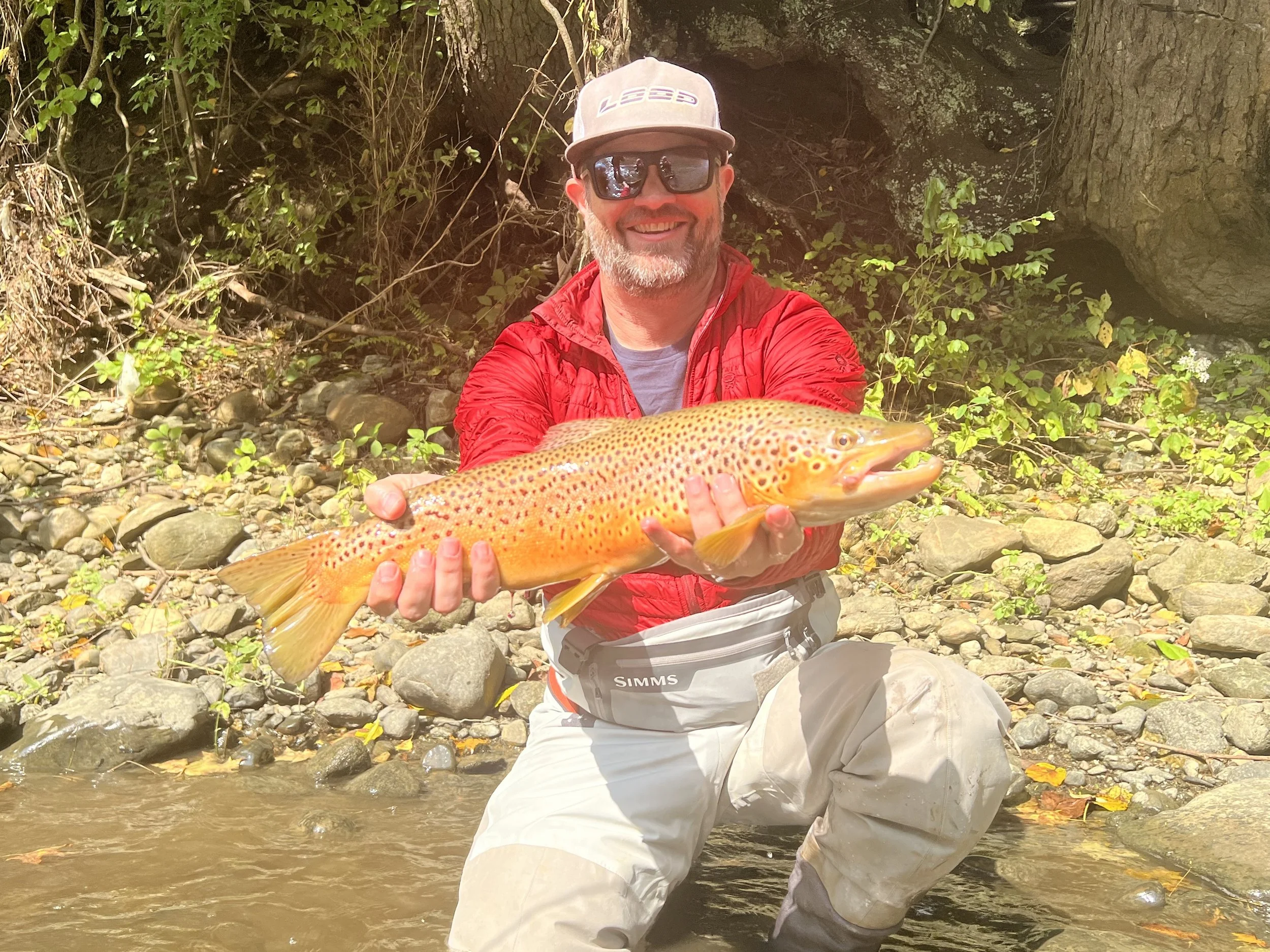
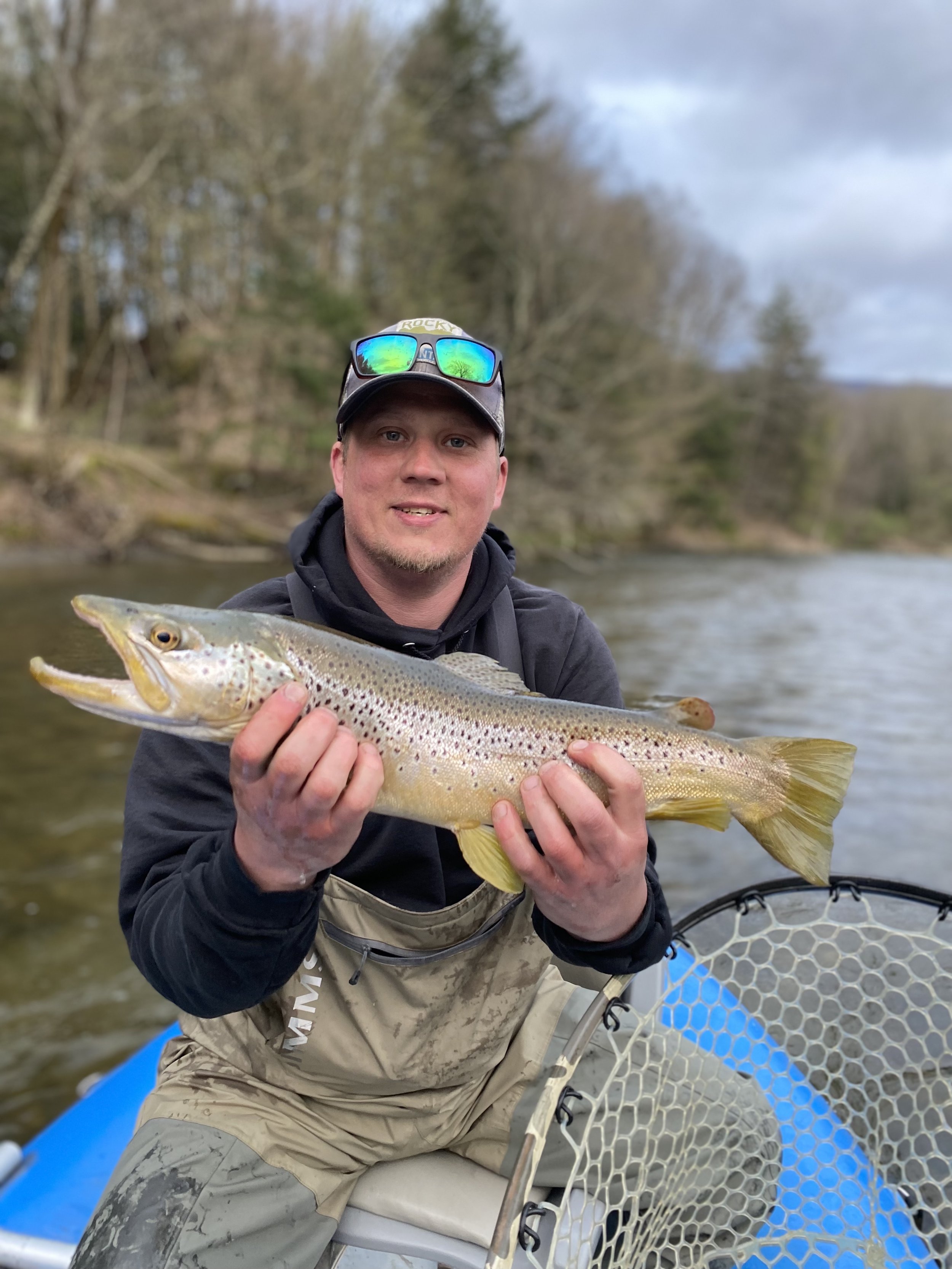
At Green Mountain Angler, we help anglers of all skill levels unlock the Hoosic’s potential. Whether it’s matching early spring mayflies, working a streamer through a deep bend, or sneaking up on a wild brown in a shaded seam. Our guides give you the insight, instruction, and support to fish this scenic freestone with confidence.
Seasonal Entomology:
Aquatic insect life in the Hoosic River is diverse and follows a more traditional freestone pattern. In the spring, anglers can expect hatches of blue-winged olives, hendricksons, and other early-season mayflies. These insects are generally larger than those found in tailwaters, often ranging from sizes 12 to 18, making them easier to imitate and fish effectively. Caddisflies are also abundant and provide consistent action throughout much of the season.
As the season progresses into late spring and early summer, larger mayflies such as sulfurs and drakes may appear, along with increased caddis activity. Terrestrial insects like ants, beetles, and grasshoppers become important during the summer months, especially when aquatic insect activity slows. These larger food sources can trigger aggressive surface feeding, particularly along grassy banks and shaded areas.
Dry fly fishing can be excellent during active hatches, particularly in the spring and early summer. Unlike more pressured rivers, trout in the Hoosic are often less selective, making them more willing to take a well-presented fly even if it is not a perfect match. During summer, terrestrial patterns can be especially productive, offering exciting visual takes and opportunities to fish along undercut banks and structure.
Key Hatches
Early Spring (March-April): Blue Winged Olives (BWOs) #16-20, Midges #18-24, Early black stoneflies #14-18
Mid Spring (Late April-May) Prime time starts here: Hendricksons #12-14, Red Quills #12-14, Caddis (tan/olive) #14-18
Late Spring/Early Summer (May-June): Sulfurs #14-16, Light Cahills #12-16, Caddis (heavy) #14-18, March Browns #10-12
Summer (July-August):Caddis #14-18, Small mayflies #16-20, Terrestrials: Ants #14-18, Beetles #12-16, Grasshoppers #8-12
Fall (Sept-Oct) Underrated season: Blue Winged Olives #16-20, Caddis #14-18, Midges #18-22