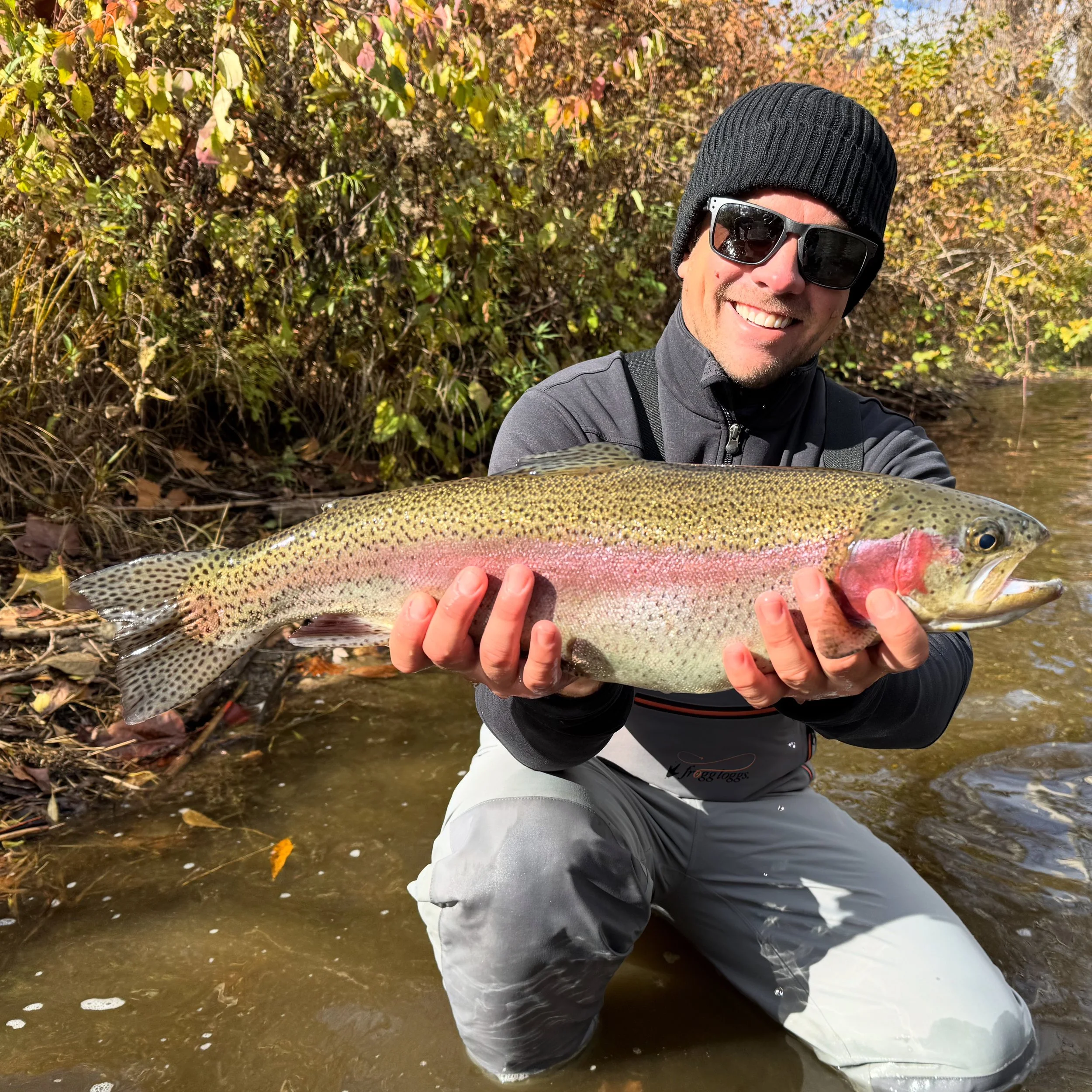
Walloomsac River
Discover One of Vermont’s Most Underrated Wild Trout Streams
The Walloomsac River is a small but highly regarded trout stream in the northeastern United States known for its scenic setting, rich history, and surprisingly productive fishing opportunities. Flowing approximately 17 miles from the Green Mountains of southwestern Vermont into eastern New York where it joins the Hoosic River, the Walloomsac offers a classic freestone river experience shaped by both natural processes and centuries of human influence. Though often overshadowed by larger and more famous rivers in the region, it remains a hidden gem for anglers and outdoor enthusiasts alike.
The river’s physical structure is typical of a northeastern freestone stream, featuring a mix of riffles, runs, and pools. The riverbed is composed primarily of gravel and small cobble, providing excellent habitat for aquatic insects and spawning trout. Many sections are relatively shallow and easily waded, making the river accessible to anglers of varying skill levels. Faster riffles provide oxygen-rich feeding zones, while deeper pools and undercut banks offer shelter for larger fish.


Entomology and Key Hatches:
Aquatic insect life in the Walloomsac River is diverse and plays a central role in the river’s ecology. Common hatches include mayflies such as Hendricksons, blue-winged olives, and sulfurs, along with caddisflies and midges. These insects form the foundation of the trout’s diet and drive much of the river’s fishing activity.
Early Spring (March-April): Blue Winged Olives (BWOs) #16-20, Midges #18-24, Black Stoneflies #14-18
Mid Spring (Late April-May): Hendricksons #12-14, Red Quills #12-14, Caddis (tan/olive) #14-18
Late Spring/Early Summer (May-June): Sulfurs #14-16, Light Cahills #12-16, March Browns #10-12, Caddis (heavy) #14-18
Summer (July-August): Caddis #14-18, Small mayflies #16-20, Terrestrials: Ants #14-18, Beetles #12-16, Hoppers #10-14
Fall (Sept-Oct): Blue Winged Olives #16-20, Caddis #14-18, Midges #18-22